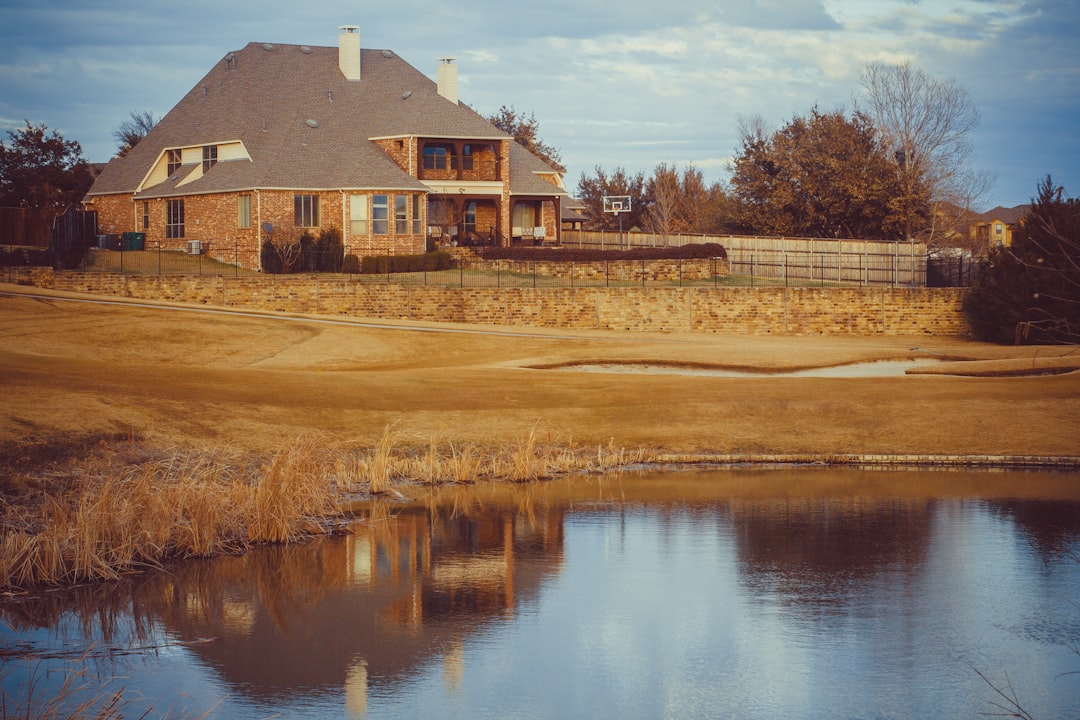
There’s a concrete cap sticking up about eight inches out of the ground in the backyard of a house three doors down from me on Willow Street. The sellers had lived there for years and honestly forgot it existed until the buyer’s inspector crawled around and found it under an overgrown pyracantha bush. Suddenly everyone involved had questions nobody had prepared for — and the deal went sideways for two weeks while they scrambled to figure out what had to be disclosed and what the law actually required.
That scenario plays out more often than you’d think in central Texas, where a lot of properties — especially anything with half an acre or more, or anything in Bastrop County, Hays County, or out toward Dripping Springs — still have old wells on them. Sometimes they’re capped. Sometimes they’re just holes with a board over them. And a lot of sellers genuinely don’t know what they’re obligated to say about them.
So let me walk through what I’ve pieced together from being on both sides of this situation.
Yes, Texas Sellers Are Generally Required to Disclose a Water Well — Even If It’s Not in Use
The short answer: an unused or abandoned water well on a property still needs to be disclosed in Texas. The Texas Seller’s Disclosure Notice has a section specifically asking about wells. It asks whether there is a well on the property and whether it’s in use, not in use, or abandoned.
Sellers sometimes assume that if they’re not using the well — haven’t used it in years, have no idea where the water goes, never tested it — they can skip that section or leave it blank. That’s the wrong move. Leaving it blank or checking “unknown” when you actually know a well is there is the kind of thing that comes back at you after closing.
I wrote more about how the groundwater disclosure section of the seller’s notice actually works in a separate field note here — that piece gets into the surface water and subsurface rights side of things, which is its own rabbit hole.
What “Abandoned” Actually Means Under Texas Rules
Here’s where people get confused. There’s a difference between a well that’s simply not being used and a well that’s been legally abandoned.
Under Texas Commission on Environmental Quality rules — TCEQ, if you want to look it up — a well that’s taken out of service is supposed to be properly plugged and documented. That process isn’t just dropping a cap on it and walking away. There’s a specific plugging procedure, and when it’s done correctly, there should be paperwork.
If a seller has a well that was plugged and documented according to TCEQ rules, that’s still disclosed on the seller’s notice, but it’s a very different conversation than one where the well is just sitting there, uncapped or minimally covered, with no records. The latter creates liability questions about groundwater contamination, about what’s in that well, and about whether it connects to a larger aquifer.
Properties over the Edwards Aquifer or the Trinity Aquifer — which covers a wide swath of central Texas — get extra scrutiny here. Buyers and their lenders tend to take abandoned wells a lot more seriously in those zones.
What Buyers Should Actually Do When They Find a Well
If you’re under contract on a property and you find a well — or you already knew there was one listed on the disclosure — don’t just let it slide. Here’s what I’d suggest:
- Ask for all existing records. Any plugging reports, permits, or prior water tests. If the seller has nothing, that tells you something.
- Get the well inspected independently. A standard home inspection sometimes covers this, but not always thoroughly. A dedicated well inspection or water quality test is worth the couple hundred dollars.
- Check with the local groundwater conservation district. Most Texas counties fall under one. They can tell you if the well has any registration or plugging records on file.
- Talk to your title company. An old undocumented well can affect insurability in some cases.
- Factor remediation cost into your offer. Proper plugging by a licensed driller runs somewhere in the range of $1,000 to $3,000 or more depending on depth and accessibility, last I checked — but that number can swing significantly based on the situation.
And I’ll say this plainly: I wouldn’t close on a property with an undocumented, unplugged well without getting clarity on it first. Sellers can push back on inspections in various ways during the option period, but a well situation is exactly the kind of thing you need access to the property to investigate before you commit.
The Seller’s Perspective: Disclose It, Don’t Hope Nobody Finds It
If you’re the one selling, please don’t be the person who hopes the inspector misses the well cap under the pyracantha. It will get found. And if it comes out after closing that you knew it was there and didn’t disclose it, you’ve created a much bigger problem for yourself than the disclosure conversation ever would have been.
In my experience watching deals around Travis County and in the Hill Country fringe, the sellers who get into trouble aren’t usually hiding things intentionally. They inherited the property, or they bought it years ago and just tuned out details that didn’t seem relevant. But that doesn’t protect you legally.
Disclose what you know. If you’re not sure whether a well was properly abandoned, pull a TCEQ database search on your own address before you list. It takes maybe ten minutes and it’ll tell you whether there’s a registered plugging report tied to your property. That’s information you want before your buyer’s inspector finds the cap.
One More Thing to Keep in Mind Before Listing
Water-related disclosures are one of those areas where sellers tend to underestimate the cost of getting it wrong and overestimate how much it’ll hurt their deal to get it right. In my observation, buyers respond better to a seller who says “yes, there’s an old unused well, here’s what we know about it” than to a seller who appears to have concealed something.
If you’re prepping a property to sell and you’ve got any water infrastructure questions — well, rainwater collection system, cistern, septic-and-well combo — spend a little time figuring out what you actually have before you fill out the disclosure. Some pre-sale repairs and disclosures are worth addressing before you list, and documentation around a well falls squarely in that category.
The deal on Willow Street did close eventually. The sellers found some old paperwork in a filing cabinet that showed the well had been partially documented decades ago, both sides agreed on a price adjustment, and someone hired a licensed driller to finish the proper plugging. Two weeks of stress that a little preparation could have avoided.
If you’ve got a well on your property — used, unused, or mystery — get your arms around it before you list.