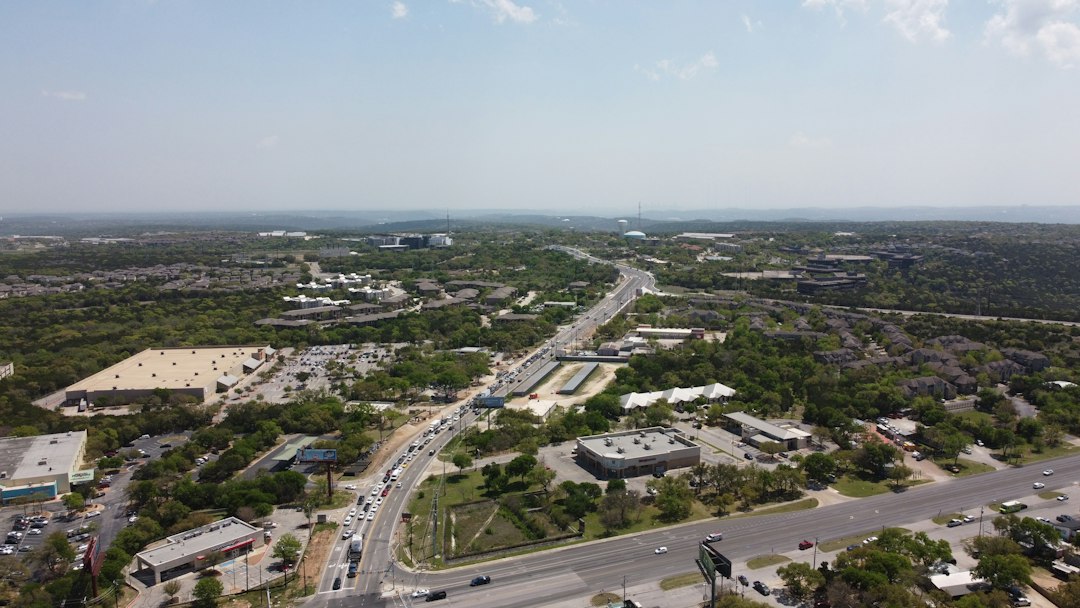
A few months ago, a house two streets over from me — off Maple Avenue, one of those solid 1950s bungalows with a covered porch and a big live oak out front — went into foreclosure. Nice house. Good bones. I’d watched the owners for a couple of years, a young family who bought somewhere around 2021 when rates were still low and the Austin market was absolutely on fire. Then rates doubled, insurance went through the roof, and I guess the math just stopped working.
That one house didn’t alarm me. Houses go into foreclosure. It happens. What started pulling at my attention was when I noticed another one, and then another, all within a few miles. And then I saw the numbers — foreclosure filings are up around 13% year-over-year nationally, and the South is taking the hardest hit of any region.
I’m not a data analyst. But I do pay attention to what’s happening on the ground. So let me tell you what I’m seeing, what I think it means for buyers and sellers here in Texas, and where I’d be paying close attention right now.
Why the South, and Why Now
The short answer is that the Sun Belt boom created a lot of financially stretched buyers. When rates were at 3%, people stretched their income to buy in Austin, San Antonio, suburban DFW, Charlotte, Nashville, Jacksonville — markets that were growing fast and felt safe. Then rates jumped, insurance costs in the South went up sharply (Texas especially, because of weather risk), and property taxes kept climbing. That combination is brutal if your budget was already tight.
Student loan defaults are rising too, and that’s piling onto the same population of buyers who pushed into Sun Belt markets over the last four or five years. Younger households, FHA buyers, people who put down 3.5% at the peak — those are the folks getting squeezed hardest right now.
Texas has some specific pressure points worth naming directly:
- Property taxes here are among the highest in the country, and they don’t care if your home value drops
- Homeowners insurance has been climbing fast — I’ve heard figures somewhere around $200-plus per month on average, which adds up to real money over a year
- HOA fees in newer suburban communities are an added layer that a lot of buyers didn’t fully model out when they bought
When all three of those keep rising while the home’s market value flattens or dips, you can end up underwater in a way that has nothing to do with your mortgage rate.
What a 13% Rise Actually Looks Like on the Ground
Here’s the thing about percentages — they can obscure what’s really happening neighborhood by neighborhood. A 13% rise nationally doesn’t mean every ZIP code is hurting equally. What I’m watching for in my own market is where the filings are clustering.
From what I’ve seen and read, the harder-hit pockets tend to share a few traits:
- High concentration of purchases made in 2021–2022 at peak prices
- FHA and VA loan products, which allow lower down payments and leave less equity cushion
- Communities where new construction dumped a lot of inventory quickly, pressing resale prices down
- Areas with aggressive property tax appraisals that haven’t come back down even as values softened
In Central Texas specifically, I’d be watching some of the faster-built suburban corridors east of Austin and down toward Kyle and Buda. Those areas saw enormous builder activity, and some of those buyers are now sitting in homes worth less than or about equal to what they paid, with higher carrying costs than they planned for.
This connects to something I’ve written about before — foreclosure filings had already been ticking up earlier in the year, so a 13% year-over-year move isn’t coming out of nowhere. The trend has been building.
What This Means If You’re Buying
A rising foreclosure environment is genuinely a mixed bag for buyers. On one hand, distressed properties can represent real value. On the other hand, buying a foreclosure in Texas has complications that a regular purchase doesn’t.
A few things I’d keep in mind:
- Bank-owned properties (REO) are sold as-is. The lender is not going to fix the HVAC or the foundation. Get your inspector in there.
- Title can be messy. I wouldn’t skip a thorough title search on any distressed property, period.
- The listing price isn’t always the deal it looks like. A bank may list at a discount but the property might need $40,000 in work that brings your all-in cost right back to market.
I also wouldn’t assume that a flood of foreclosures is going to crash prices the way 2008 did. The inventory dynamics are different, and lenders have more tools now to delay and modify. But it’s worth knowing what’s moving in the markets you’re looking at.
What This Means If You’re Selling
If you bought in the last three or four years and you’re thinking about selling, now is the time to be honest with yourself about where you actually stand. Pull your payoff amount. Get a realistic comparable sales number from someone who knows your specific streets, not just your ZIP code. Understand your equity position before you decide anything.
If you’re comfortably in the black and you’ve been on the fence about listing, a rising foreclosure environment is one reason not to wait too long. More distressed inventory in your neighborhood puts downward pressure on your price, and that pressure can build gradually before it becomes obvious.
Property taxes are a piece of this that a lot of sellers underestimate too — a high tax burden on your property is something buyers will factor into their offers, especially as carrying costs become a bigger part of the conversation.
What to Do Right Now
If any of this is hitting close to home — either because you’re watching your own neighborhood or because you’re trying to make a move in this market — here’s the most practical thing I can tell you: get current, specific data on your immediate area, not regional averages.
Ask someone who can pull actual filed notices in your county. Check what’s sold within a half-mile of your address in the last 90 days, not the last year. Look at days on market, not just list prices. And if you’re buying a distressed property, budget the inspection like your financial life depends on it — because on a foreclosure, it kind of does.
The sign in my neighbor’s yard eventually came down. The house sold. Someone got a decent deal. But a lot of people made assumptions about what they could afford that didn’t survive contact with 2024 and 2025 carrying costs. Don’t be that person heading into whatever the next couple of years bring.