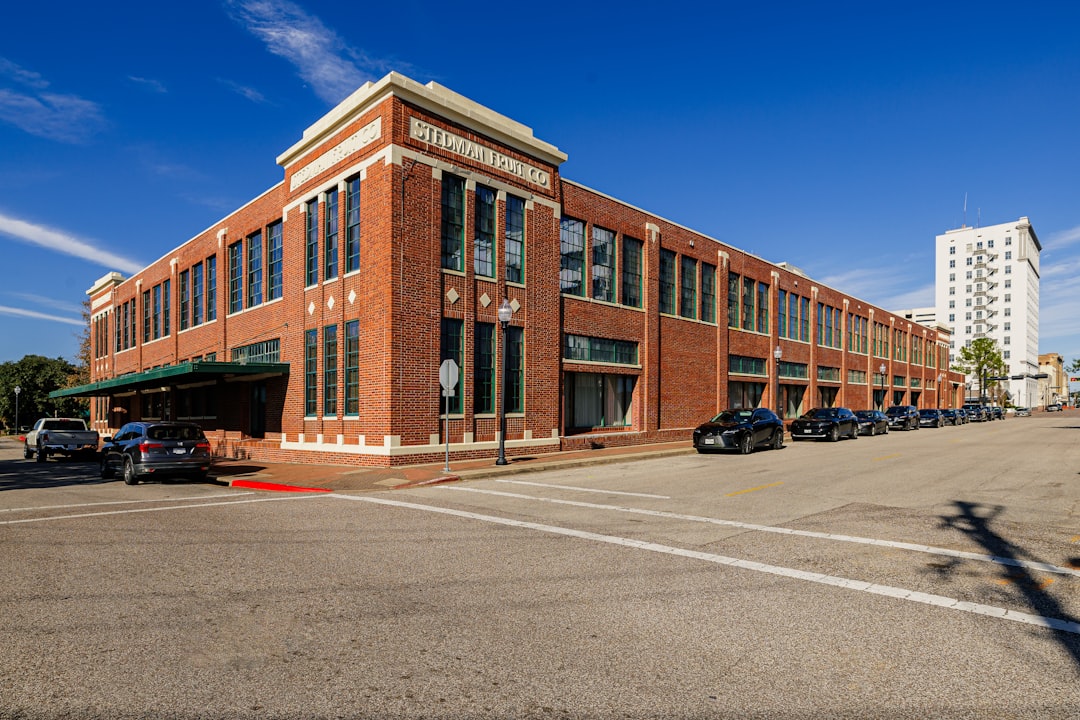
When M/I Homes and Meritage Homes jointly fund a $7.6 million bridge — as in, literal infrastructure, a bridge connecting a growing subdivision to the rest of a Texas town — it tells you something about how seriously those builders are betting on that market. This isn’t a ribbon-cutting press release I’m passing along uncritically. I’ve watched builders make moves like this in markets all over the state, and there’s a real story underneath the announcement worth paying attention to if you’re thinking about buying in any fast-growing Texas community.
Let me break down what’s actually happening and why it matters to a buyer sitting at a kitchen table right now, trying to decide whether new construction is worth the wait.
What a Infrastructure Commitment Like This Actually Signals
Builders don’t cut $7.6 million checks for road and bridge infrastructure out of generosity. They do it because the lot pipeline on the other side of that bridge is worth far more than what they’re spending to get to it.
When two national homebuilders — competitors, no less — co-fund a single piece of infrastructure, it usually means a few things are true simultaneously:
- The municipality doesn’t have the budget or the timeline to build it themselves
- Both builders have enough lots entitled or under contract on the growth side that the cost pencils out
- They’ve modeled absorption rates and decided the market demand is durable, not just a short-term spike
- They’d rather share the cost than let one company control access to the land
That last one is the most telling. Meritage and M/I competing for the same buyers in the same submarket, and they still decided to pool resources. That’s not a small bet.
The Ground-Level Reality for Buyers in These Communities
Here’s what I’ve noticed from watching new-construction growth corridors in Texas over the years — and this applies whether we’re talking about Kyle, Hutto, Cibolo, Conroe, or whichever town this particular bridge is anchoring.
When infrastructure funding like this gets announced, the first phase of lots on the newly accessible land tends to price below where they’ll end up. Builders need to move early inventory to justify the infrastructure spend and prove out absorption to their internal capital committees. That window doesn’t stay open long.
By the time the bridge is built, the model homes are open, and the HOA documents are finalized, prices have usually adjusted upward to reflect the finished community rather than the speculative one. I’ve personally watched base prices in similar situations climb somewhere around $20,000 to $40,000 between a community’s pre-sales phase and its fully built-out phase — give or take, depending on the market and the rate environment at the time.
That said, buying early in a builder community has its own set of risks. You’re making decisions based on renderings, not finished streets. The schools serving the community may still be in transition. And if the market softens before your close date, you’re generally locked into a contract with limited exit options.
Speaking of which — if you’re negotiating with a builder right now, understand your inspection rights before you get too deep into the process. Knowing when you can actually access the home for an inspection, and what leverage you have before and after deposits, matters more than most buyers realize.
What a Growing Town Looks Like Before the Boom Fully Arrives
I drove through a few of these outer-ring communities last year, and the thing that strikes you is the contrast. You’ll turn off a state highway onto a freshly paved subdivision street with curbs, streetlights, and landscaped medians — and fifty yards away there’s a caliche road leading to a cattle gate. It’s still two worlds stitched together.
That contrast is exactly what you’re betting on when you buy early. The infrastructure investment from builders like M/I and Meritage is the mechanism that closes that gap. The bridge isn’t just a bridge — it’s the connector between what the town is right now and what the master plan says it becomes.
Property taxes in these growth corridors are worth watching closely. New MUDs (Municipal Utility Districts) are common, and the combined tax rate — MUD plus county plus school district — can run somewhere around 2.8% to 3.2% of assessed value in early-phase communities, last I checked. That’s meaningfully higher than an established neighborhood inside Austin or Fort Worth city limits. It matters for your monthly payment in ways that the base price alone won’t tell you.
Whether This Is the Right Move for You
New construction in a builder-funded growth community isn’t automatically a good deal just because two national brands are backing it with capital. I’d think hard about a few things before signing anything:
- School district assignment — Growth communities sometimes feed into overcrowded schools or new schools without a track record yet. Find out which campus you’d actually be zoned to, not which district name appears in the marketing materials.
- Commute reality — That bridge helps, but where does it connect? Run the actual drive to your workplace at 7:30 a.m., not Google Maps’ optimistic estimate.
- Builder incentive structure — Both M/I and Meritage use financing incentives tied to their in-house lenders. Those incentives are real but so are the constraints. Get a competing quote before you agree to anything.
- Exit timeline — If you need to sell in three years, you’ll be competing with brand-new inventory from the same builder down the street. It’s not impossible to come out ahead, but it’s not the slam dunk some sales reps imply.
The broader pattern here — big builders betting on outer-ring Texas towns with real infrastructure dollars — is part of why land acquisition strategy in this state keeps getting more sophisticated. The teams doing this well are running ground-level market intelligence alongside data tools, not just one or the other.
What to Do With This Information Right Now
If a community like this is on your radar, the most useful thing you can do before visiting a model home is talk to someone who isn’t selling you anything in that subdivision. A neighbor who already closed, a local title company, or an agent who works resale in the same town will give you a read on the community that no builder sales rep is positioned to provide.
Pull the MUD district information from the Texas Commission on Environmental Quality database — it’s public and it’ll show you the district’s debt load, which matters for how long those elevated tax rates might stick around.
And honestly? If you’re a first-time buyer weighing new construction against resale in an adjacent market, the calculus is less obvious than it looks. There are resale options that get overlooked entirely when buyers fixate on new construction.
The $7.6 million bridge will get built. The question is whether the community on the other side of it is the right fit for your life and your finances — and that’s not something a press release can answer for you.