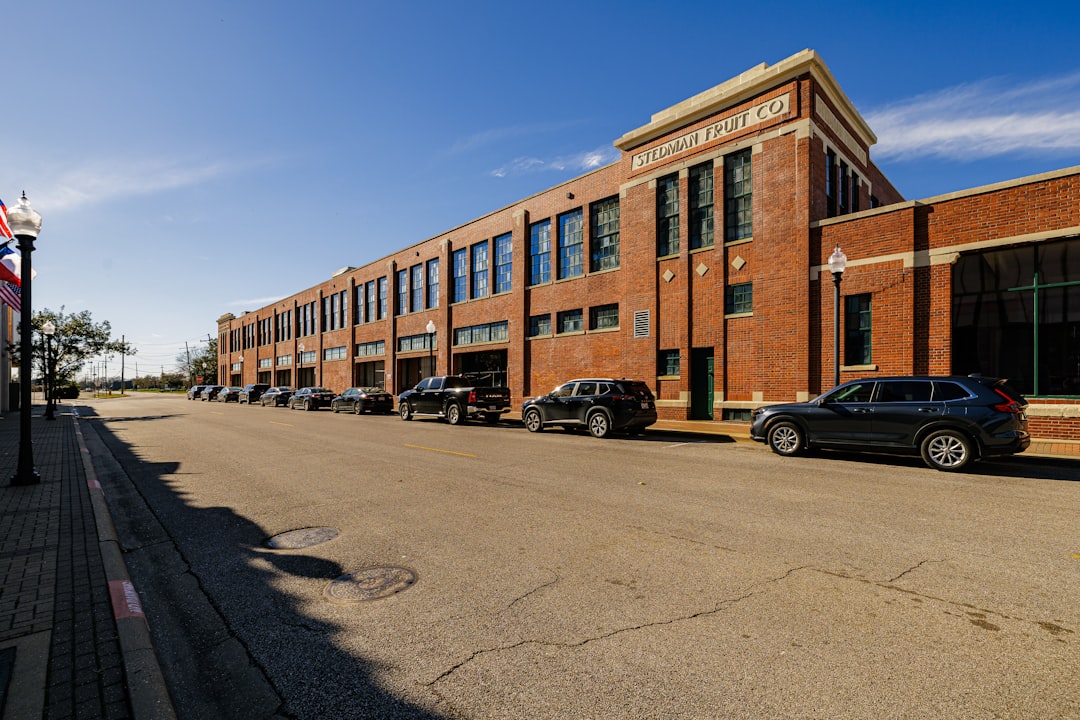
A few weeks ago I drove down a stretch of Springdale Road near where it crosses Loyola Lane, and I counted four separate lots with fresh stakes and surveyor ribbon. Not listed. Not under contract as far as I could tell. Just sitting there, getting looked at. That’s anecdotal, I know — but then Zillow releases a number like 300,000-plus listed lots nationwide and suddenly my little drive-by feels like a data point.
So let’s talk about what that figure means for builders, for buyers, and for the rest of us watching infill development eat up the last scraps of open land in older Texas neighborhoods.
Three Hundred Thousand Lots Is a Big Number, But Location Is Everything
Zillow’s count — and I’m working off their recent reporting, so treat this as “as of mid-2025-ish” rather than gospel — puts listed lots at somewhere north of 300,000 across the country. That sounds like a flood of opportunity. And in some markets, it probably is.
Texas is its own story. The state’s been one of the most active infill markets in the country for the better part of a decade, and a lot of what’s showing up on platforms like Zillow right now reflects that. You’ve got listed lots in places like Oak Cliff and Pleasant Grove in Dallas, the Near Northside in Houston, and right here in East Austin — the older residential grids where a teardown or a vacant parcel can get snapped up and turned into a duplex, a townhome cluster, or a skinny new build before the neighbors have even complained to the HOA.
The thing is, “listed” doesn’t mean “priced right.” I’ve watched lots sit on Springdale, on Webberville, even on some of the slower-moving blocks near MLK, with prices that only made sense if the builder planned to put something expensive on top of them. Some of those listings have been up for a while.
What Builders Are Actually Doing With This Inventory
The infill boom isn’t new. But the scale of listed lot inventory does suggest builders — and a lot of them are smaller operators, not the big nationals — are getting more systematic about surfacing land that used to move quietly through word of mouth or off-market deals.
If you want to understand the land-to-builder pipeline a little better, I’d point you toward this piece on how AI is reshaping the Texas land game — it gets into how teams are using data tools to find parcels before they ever hit Zillow. That context matters here because what you’re seeing on Zillow is, in many cases, what didn’t sell off-market first.
For builders, a listed lot on Zillow can mean a few different things:
- The seller has already shopped it quietly and hasn’t found a taker. This sometimes means there’s a problem — easements, flood zone issues, utility complications, a title quirk.
- It’s priced for a retail buyer who wants to build a custom home. Some of these work out, some don’t.
- It’s genuinely available at a number that pencils for a builder, and the seller just decided to go public. These are the ones worth moving on fast.
The point is: not all 300,000-plus lots are equal, and in Texas, the lot you want in a neighborhood that’s still got room to run might not be the one sitting on Zillow with professional photos.
The Infill Question Nobody Wants to Answer Honestly
Here’s where I’ll be a little blunt. Infill development is genuinely useful — it adds density in places with existing infrastructure, fills in blighted or underused parcels, and theoretically helps with supply. But the finished product doesn’t always serve the people who need housing most. I’ve written before about how duplexes and townhomes don’t always make housing cheaper, and that tension is very real when you’re watching a $70,000 East Austin lot get built out into a $600,000 townhome.
That said, from a builder’s standpoint, a healthy listed-lot inventory — especially in a market like Texas where permitting can still move relatively quickly — is about as good as conditions get. You know what’s out there, you can underwrite it with real numbers, and you’re not entirely dependent on pocket listings and developer relationships.
The question for someone looking to build or buy in an infill neighborhood is whether the lot cost, build cost, and end value still work together. Right now, in mid-2025, build costs are still elevated — give or take depending on what you’re building and where your subs are pulling from — and interest rates for construction loans haven’t exactly cooperated. Days on market for finished new infill product in Austin are running longer than they did in 2021 and 2022, last I checked. That changes the math for builders, and it should change what buyers expect to negotiate on.
What to Look for If You’re Buying a Listed Lot
If the 300,000-lot number has you thinking about picking up a parcel and building something — whether for yourself or as an investment — here’s what I’d pay attention to before you get serious:
- Zoning and entitlements. What can you actually build on the lot? In Austin specifically, the land use situation has been shifting. A lot that looks residential might have more flexibility than you’d expect, or less.
- Utility connections. Is there an active water and sewer tap, or are you paying for new connections? That number can move a project from penciling to not-penciling very quickly.
- Easements and setbacks. I wouldn’t buy any lot — especially an infill parcel in an older grid neighborhood — without a survey and a title review. Period.
- The seller’s motivation. A lot that’s been sitting for 90 days has a different negotiating dynamic than one that just listed.
- What’s already been built nearby. If three other builders already put up skinny townhomes on the same block, you need to think about whether the market can absorb another one at the price point you need.
On that last point — if the lot you’re looking at is in a floodplain or near a water feature, Texas has specific disclosure requirements worth understanding. There’s a good breakdown of when the seller’s groundwater and surface water disclosures apply that I’d recommend reading before you get under contract.
Where I’d Actually Be Looking Right Now
If I were a smaller builder or a buyer-builder trying to take advantage of what Zillow is surfacing, I’d be looking at secondary Texas cities — places like San Marcos, Seguin, Waxahachie, even parts of Denton and Sherman — where lot prices are more reasonable relative to what you can sell a finished home for. East Austin and inner Dallas are still interesting, but you need to be sharp on your numbers.
The 300,000-lot figure is real, and it does represent genuine opportunity. Just go in knowing that “listed” is the beginning of the conversation, not the end of it.