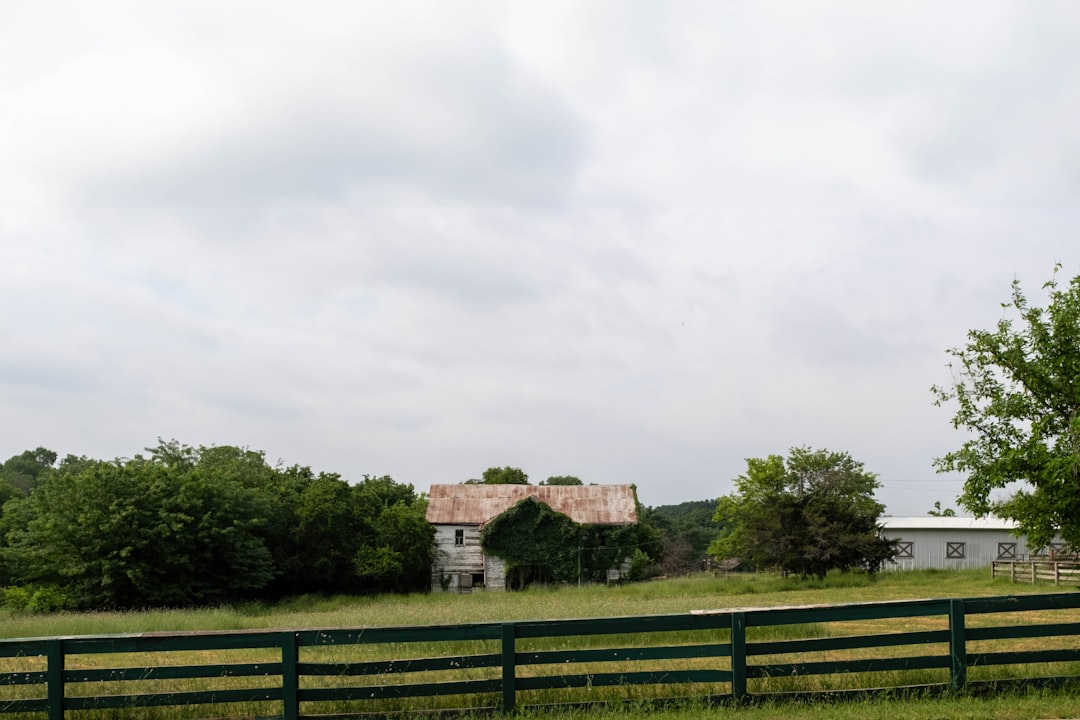
Last spring I drove through a new subdivision going up off Dessau Road in northeast Austin. Big project — dozens of lots, concrete poured, lumber stacked — and on a Tuesday morning around nine o’clock, maybe a third of the usual crew was there. A foreman I’d chatted with before was standing by his truck looking at his phone. When I asked what was going on, he shrugged and said, “People are scared to come in.”
That sentence stuck with me.
What’s Actually Happening on These Job Sites
Immigration enforcement activity has ramped up significantly in the last several months, and construction sites — historically one of the industries with a large undocumented workforce — are feeling it in ways that don’t always make headlines but absolutely show up in project timelines.
A lot of this plays out quietly. Workers don’t call in or formally quit. They simply stop showing up. Crews that a subcontractor counted on last month are suddenly short by four, five, six people. Foremen scramble to find replacements. Sometimes they do, sometimes they don’t, and when they don’t, that framing job that was supposed to wrap up in two weeks takes a month.
I’ve been watching this play out specifically in the Austin-area new construction market, but I’ve heard similar things from people who follow DFW and the Houston suburbs. The labor squeeze isn’t theoretical — it’s causing real, measurable schedule slippage on active builds.
I wrote a bit about this problem when enforcement raids were first ramping up, and the fears around those job-site freezes haven’t eased. If anything, they’ve intensified.
How This Hits Buyers Who Are Under Contract on a New Build
If you’re under contract on a to-be-built home, this matters to you directly.
Here’s what I’d be watching for:
- Delayed close dates. Builders write in wiggle room on their contracts, often 30 to 60 days’ worth, and some are starting to use it.
- Skeleton crews on your lot. If you’re doing regular site visits and you’re seeing the same small team doing work that should take a bigger crew, that’s worth noting.
- Subcontractor substitutions. Some builders are swapping in subs they haven’t worked with before just to keep the job moving. That’s not always a problem, but it’s worth asking about.
- Inspection timing gaps. When work slows down and then gets pushed through fast to make a window, quality control can slip. Build in your own inspections — don’t rely solely on the municipal inspector.
I wouldn’t panic about this if you’re under contract, but I also wouldn’t be passive. Ask your sales rep directly: have there been any labor disruptions on this community? What’s the current projected close date and has that changed in the last 60 days? A good builder will be straight with you. A bad one will dodge.
The Broader Supply Problem Nobody Wants to Talk About
Here’s the uncomfortable math: residential construction in Texas has been running lean on labor for years, and a significant share of the skilled trades workforce — framers, roofers, drywall crews, concrete finishers — includes workers whose immigration status is uncertain or undocumented. Nobody official wants to put a hard number on that because nobody official is going to volunteer the liability. But if you’ve worked in or around construction in Texas for more than ten minutes, you know it’s true.
That already-tight labor market now has a fear premium baked into it. Workers who might have shown up even in a tough environment are making a different calculation today. And builders who were already dealing with difficult cost math — lumber prices, interest rates, lot costs — now have labor unpredictability stacked on top of it.
The downstream effect for buyers is pretty straightforward: slower completions mean fewer available homes at any given moment, which tends to support prices on existing inventory. If you’re watching new construction as a way to find relief on pricing, the relief may come later than you’re expecting, or in smaller quantities.
Somewhere around here is where I’ll note that Austin new build prices were hovering, as of recent data I’ve seen, in the $400,000 to $550,000 range for a standard three-bedroom in most outer-ring communities — give or take depending on finish level and whether you’re looking at Pflugerville, Manor, or something further east like Elgin. Those numbers haven’t collapsed, partly because supply keeps getting pinched from multiple directions.
What I’d Do If I Were Buying Right Now
If you’re seriously shopping new construction in the Austin area or DFW, a few things I’d actually do:
- Ask the builder which subs are on your home. You probably won’t get names, but you can ask whether they’re the same teams used throughout the community or if they’ve had to bring in outside help.
- Add a buffer to your move-out date. If you’re selling a home to buy this one, don’t assume you can time the close perfectly. Build in at least 30 to 45 days of cushion somewhere — a short-term rental, staying with family, whatever it takes.
- Get an independent third-party inspection at framing, before drywall. This was always good advice. Right now it’s essential.
- Check days-on-market for completed inventory nearby. If the builder has finished spec homes sitting for 60-plus days, that tells you something about their pricing flexibility and their desperation to move product. Use it in negotiation.
The foreman on Dessau Road eventually got his crew together, more or less. The house got framed. But it took longer than it should have, and the buyers — whoever they are — probably don’t know why their close date moved.
Now you do. Ask the questions.