A friend of mine — sharp, good income, works in healthcare administration — told me last fall she’d been “almost ready to buy” for about four years. She’d been saying that since before rates jumped. I didn’t ask her too many questions right away, but eventually she mentioned her student loans. Around $68,000 left on a grad school degree she finished in 2018. And I thought: yeah. That’s the thing right there.
There’s been some recent research circulating that tries to put a number on how much student debt actually delays homeownership, and the range they’re landing on — somewhere between 8 months and 16 years, depending on your metro — is the kind of spread that should stop you cold for a second. Eight months is a rounding error. Sixteen years is your kid going from kindergarten to a high school diploma. The same debt load does wildly different things to your timeline depending on where you’re trying to buy.
Let me walk through what I’ve observed about this in Texas specifically, because the answer here is not one answer. It depends on which Texas you’re talking about.
Austin Is the Hard Case
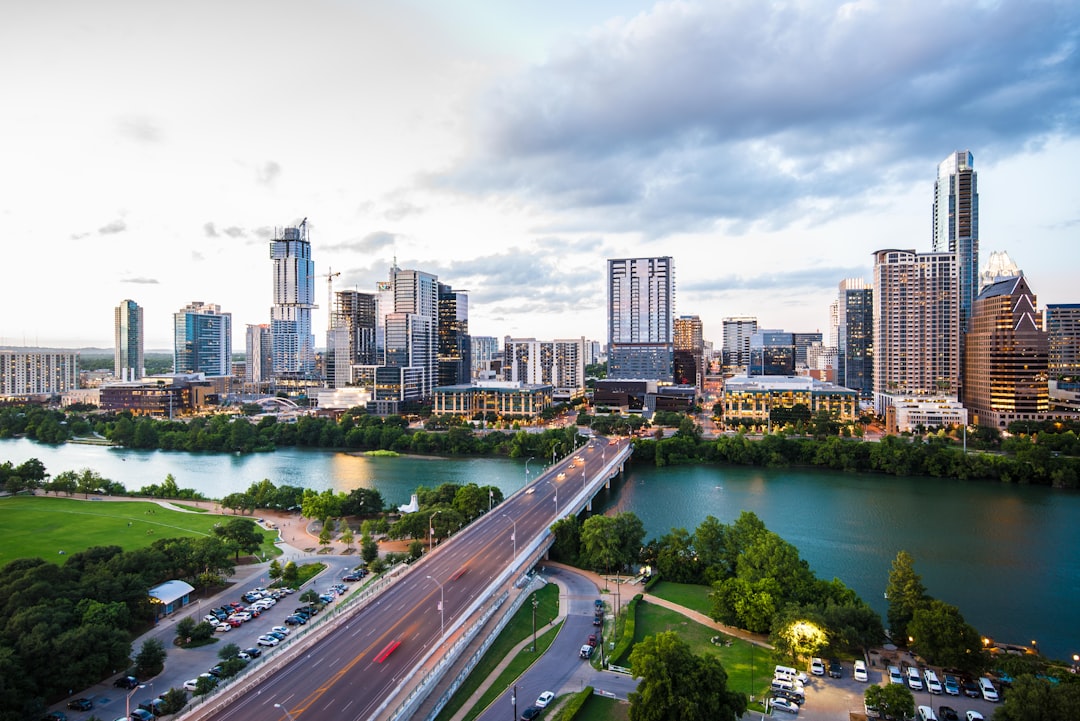
I’ll start with my own backyard. East Austin, where I live, went from “affordable-ish” to “you need to explain yourself if you’re spending under $500,000” in what felt like about eighteen months. I watched it happen on my block. The bungalow that sold for $285,000 in 2016 sold again in 2022 for just north of $700,000. That’s not ancient history — that’s recent enough that buyers who were planning carefully in 2018 got absolutely wrecked by the time they’d paid down enough loan balance to feel ready.
For someone carrying $50,000–$80,000 in student debt, the DTI math in Austin is brutal. Lenders look at your monthly debt obligations relative to your gross income, and that loan payment — even on an income-driven repayment plan — can shave thousands off your approved loan ceiling. If you’re trying to get to a 5% down payment on a $475,000 home (which is a modest-by-Austin-standards entry point right now), and your student loan payment is eating into your qualifying ratios, you could be looking at several years of additional saving just to compensate.
I wouldn’t be surprised if Austin-area buyers with significant debt are looking at delays closer to the long end of that research range, especially if they’re targeting neighborhoods inside MoPac or east of 183.
The DFW Picture Is More Mixed
Here’s where it gets a little more hopeful. The DFW market, particularly if you’re willing to look at the suburbs — Burleson, Weatherford, Royse City, even some of the older neighborhoods in Haltom City or Richland Hills — still has entry points under $300,000 if you’re patient and flexible. That changes the math considerably.
DFW’s suburban growth is pushing further west, and some of those areas have homes priced where a buyer with a moderate debt load can still make numbers work inside a reasonable timeline. The down payment target is smaller in dollar terms, which compresses the delay.
That said, affordability in DFW has been slipping even as builders report strong activity, so “more forgiving than Austin” doesn’t mean “easy.” It means the delay might land closer to that 8-to-24-month range rather than the multi-year scenarios you see in coastal markets or central Austin.
What the Delay Actually Comes From
This is the part people sometimes misunderstand. The delay isn’t just psychological or motivational. It’s mechanical. Here’s how it stacks up:
- DTI compression — Your student loan payment counts against your debt-to-income ratio. Lenders typically want total monthly debt under 43–45% of gross income. A $500/month loan payment might knock $60,000–$80,000 off your approved loan amount, depending on your income.
- Down payment accumulation drag — If you’re making income-based loan payments instead of aggressively saving, the timeline to 5% or 10% down stretches out.
- Credit score complications — Borrowers who’ve had any hiccups — missed payments, deferment periods that weren’t tracked correctly — may need extra time to get scores where they need to be. Student loan defaults have been rising, and even short delinquencies leave marks.
- Opportunity cost of rising prices — While you’re waiting to get ready, prices in competitive markets don’t necessarily pause. The target moves.
None of these individually is insurmountable. But two or three stacking at once is exactly how someone ends up “almost ready to buy” for four years.
What Actually Helps
I’m not here to tell you it’s easy or that there’s some trick you haven’t heard. But I’ve watched people navigate this, and a few things make a real difference.
- Get pre-qualified before you feel ready. Find out your actual ceiling now, not the one you’ve estimated in your head. Sometimes people are closer than they think — or they find out exactly what has to change.
- Look at FHA loans with a hard eye on the PMI cost. At 3.5% down, you’re in a home sooner, but the mortgage insurance adds up over time. Run the actual numbers for your situation, not a generic comparison.
- Don’t sleep on down payment assistance programs. Texas has several — TSAHC and TDHCA both run programs that don’t get nearly enough attention. Income limits apply, but a lot of first-time buyers are within them.
- Consider your market tier carefully. If Austin is your dream and you’re carrying $90,000 in loans, it might be a longer road. But if Pflugerville or Kyle or a stretch of Garland is workable for your life, the math gets dramatically different — and fast.
The research showing an 8-month to 16-year range isn’t trying to scare you. It’s just being honest that metro context matters enormously, and anyone telling you student debt has a flat, universal effect on your homebuying timeline doesn’t know how localized this market actually is. My friend, by the way, is looking seriously at a townhome in Pflugerville right now. She’s further along than she thought.